The Advantages of Artificial Grass Installation: A Low-Maintenance Solution for Your Outdoor Space
Artificial grass installation presents a range of benefits that resonate with homeowners looking for a low-maintenance landscaping option. It removes the need for regular chores like mowing and watering, serving as a practical replacement for traditional lawn care. Moreover, its eco-friendly attributes contribute to water conservation and reduced chemical usage. When homeowners evaluate this choice, inquiries about safety and long-term financial benefits commonly surface, prompting a closer examination of its overall impact on outdoor spaces.
The Time-Saving Edge of Artificial Grass
When property owners evaluate what artificial grass has to offer, one of the most compelling advantages is the substantial time savings it offers. Natural grass lawns demand consistent care, including watering, mowing, and fertilizing, which can consume countless hours each month. By comparison, artificial grass does away with these chores, allowing homeowners to reclaim valuable time.
As mowing is no longer necessary, residents can appreciate a perpetually well-groomed finish with minimal effort required. In addition, the lack of watering needs means that hectic routines will not be interrupted by the need to maintain hydration levels in the lawn.
Furthermore, synthetic grass is typically designed to prevent weed growth, reducing the time spent on weeding and maintenance. This minimal-upkeep solution is popular with residents and households aiming to enhance their outdoor spaces without the associated labor. In the end, the time-saving advantage of artificial grass significantly adds to its expanding adoption amongst homeowners desiring a convenient solution.
Environmental Advantages of Artificial Grass
Although many homeowners prioritize visual appeal, the environmental advantages of artificial grass make it a growing popular choice. One significant advantage is water conservation; artificial grass does away with the need for routine watering, which can conserve thousands of gallons each year. This decrease in water consumption is especially important in areas experiencing drought conditions.
Additionally, synthetic turf reduces the reliance on pesticides and chemical fertilizers, supporting a greener ecosystem. As opposed to natural grass, it eliminates the need for regular mowing, thus cutting greenhouse gas emissions associated with gas-powered lawn equipment.
In addition, the application of synthetic turf can contribute to reduced soil erosion, as it offers a sturdy surface that handles heavy foot traffic and adverse weather conditions. All things considered, the eco-friendly qualities of synthetic turf not only help residential property owners but also contribute positively to wider efforts toward environmental sustainability.
Is Synthetic Grass Safe for My Pets?
Is artificial grass safe for pets? Artificial turf is commonly recognized as a pet-friendly solution for homeowners. It is made from non-toxic materials, ensuring that pets are safe from harmful chemicals often found in traditional grass treatments. Unlike natural grass, artificial turf does not harbor pests such as fleas or ticks, providing a cleaner environment for pets to play.
Moreover, artificial grass facilitates efficient drainage, lowering the risk of dirty paws and the development of bad odors. Its robust nature enables it to handle rough play and digging, making it an ideal option for active pets. In addition, several high-grade artificial grass products feature UV shielding, stopping fading while guaranteeing a safe environment for pets to enjoy year-round.
Nonetheless, pet owners should clean on a regular basis the turf surface to ensure cleanliness and stop the build-up of bacteria. Overall, artificial grass offers a safe and practical solution for pet owners who need low-maintenance alternatives.
Lasting Savings With Artificial Grass
Synthetic turf not only improves the safety and enjoyment of pets but also provides considerable long-term savings for homeowners. By removing the requirement for routine watering, mowing, and fertilization, synthetic grass significantly cuts down on ongoing maintenance expenses. Homeowners can expect to save on water bills, especially in areas facing drought restrictions, as synthetic lawns require minimal irrigation. Moreover, the durability of artificial grass means it withstands heavy foot traffic and extreme weather conditions without the need for frequent replacement. This durability leads to lower costs over time in contrast to natural grass, which can require re-sodding or considerable repairs. Moreover, the decreased time spent on maintenance enables homeowners to direct their energy elsewhere, adding to the overall cost-effectiveness. Ultimately, the initial outlay for artificial turf can produce considerable savings, making it a sound financial option for those aiming to upgrade their outdoor spaces while keeping long-term costs to a minimum.
Improving Your Outdoor Area With Artificial Grass
Transforming an outdoor space becomes effortless when homeowners choose artificial grass, as it provides a vibrant, verdant setting year-round without the hassle of standard turf upkeep. This versatile option improves visual appeal, creating appealing zones for relaxation, play, or entertaining. The vivid hues and lifelike surfaces available can pair beautifully with diverse architectural styles, from sleek to timeless, effortlessly integrating with existing garden features.
Moreover, artificial grass can be adapted to individual needs, making it perfect for numerous applications such as patios, poolside areas, or playgrounds. Its resilience against heavy foot traffic assures that exterior spaces remain immaculate and accessible regardless of the season. Additionally, artificial grass aids in environmental sustainability by minimizing water usage and removing the necessity for harmful pesticides. Ultimately, this modern solution not only transforms the visual appeal of any outdoor setting but also promotes a functional and enjoyable environment for homeowners and visitors.
The Convenience of Low Maintenance With Artificial Grass
While many homeowners seek a lush yard without the extensive maintenance, selecting artificial turf presents an excellent option. This modern landscaping solution demands far less upkeep than natural grass. Property owners no longer have to dedicate hours to mowing, watering, or treating their yards. Instead, a simple rinse with water is typically sufficient to keep the surface clean and looking fresh.
Artificial grass repels pests and diseases, doing away with the need for chemical pesticides and treatments that pose risks to the environment. Furthermore, it withstands a wide range of weather conditions, preserving its aesthetic across all seasons without discoloration or deterioration. The absence of mud and grass clippings further ensures less mess tracked into the home.
By choosing artificial grass, property owners can experience a consistently lush and inviting landscape without the ongoing effort and dedication that comes with natural grass. This minimal-upkeep alternative provides more leisure time and less worry about lawn care.
What to Anticipate During Artificial Grass Installation
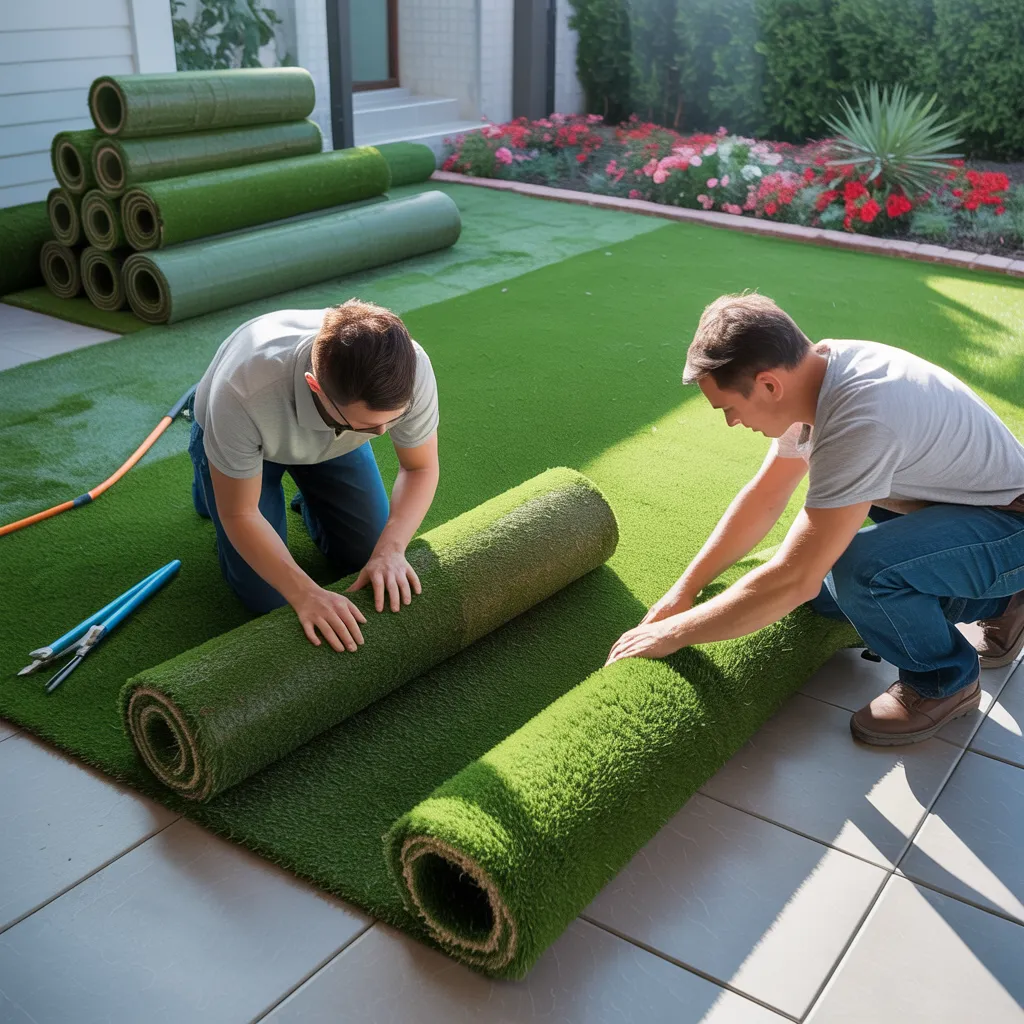
Homeowners who choose artificial grass can anticipate a smooth installation process that improves their outdoor space. Usually, the procedure commences with an Spokane Valley Plumber evaluation of the area to determine the correct type and amount of grass needed. Experienced installers will prepare the existing lawn, clearing away debris and vegetation to create a level base.
After that, they will level the ground and apply a layer of crushed rock for proper drainage, ensuring peak performance. A weed prevention layer may be laid down to keep weeds from growing back. Once the base is prepared, the synthetic grass is laid out, cut to fit the intended area, and fastened securely.
To complete the process, infill materials like sand or rubber are added to support the grass blades in standing upright and delivering cushioning. The complete setup usually requires just one to two days, giving homeowners the ability to promptly enjoy their new, low-maintenance lawn.
Answers to Your Most Common Questions
How Long Will Artificial Grass Last Before It Needs Replacing?
Artificial turf commonly lasts anywhere from 15 to 25 years, influenced by factors including usage, quality, and upkeep. When properly maintained, it can maintain its appearance and functionality for the duration of its life, minimizing the need for replacement.
Is It Possible to Install Artificial Grass Over Natural Grass?
Indeed, synthetic turf can be installed over existing grass, although thorough preparation is necessary. This includes securing an even surface, clearing away debris, and tackling drainage problems to prevent future complications and maintain long-term performance.
What Types of Artificial Grass Are Available?
A wide range of artificial grass options are offered, including nylon, polypropylene, and polyethylene. Each type differs in durability, texture, and application, serving residential, commercial, and athletic settings, enabling customized solutions to suit particular requirements.
Does Artificial Grass Resist Fading Caused by Sunlight?
Artificial grass has been engineered to be resistant to fading from sunlight, employing UV stabilizers that help maintain its color over time. This long-lasting quality provides a reliable look, making artificial grass a popular choice for exterior areas.
How Does Artificial Grass Handle Extreme Weather Conditions?
Artificial turf performs exceptionally well in extreme weather conditions, preserving its structure and appearance. It is designed to withstand heat, heavy rain, and freezing temperatures, ensuring durability and a consistent look regardless of environmental challenges.